

As explained in our article on the impact of pesticides on insectsThese compounds may harm non-target species.
The glyphosate-based herbicidessuch as RoundupTMare most commonly used to control the growth of unwanted weeds. Glyphosate and the main metabolite into which it is degraded, AMPA (aminomethylphosphonic acid) can be found in soil, water, food, and even in the urine, blood and breast milk of people.
Although glyphosate is designed to act on plants and micro-organisms, its exposure in animals has been linked to endocrine and neurological effects. In humans, scientific evidence is inconclusive on whether environmental exposure to glyphosate can cause cancer, reproductive or neurological problems. In 2015, the International Agency for Research on Cancer (IARC) of the World Health Organisation (WHO) has classified it as a "probably carcinogenic to humans". based on animal studies and limited evidence in humans. However, the European Food Safety Authority (EFSA) and the European Commission consider that there is insufficient evidence to ban its use.
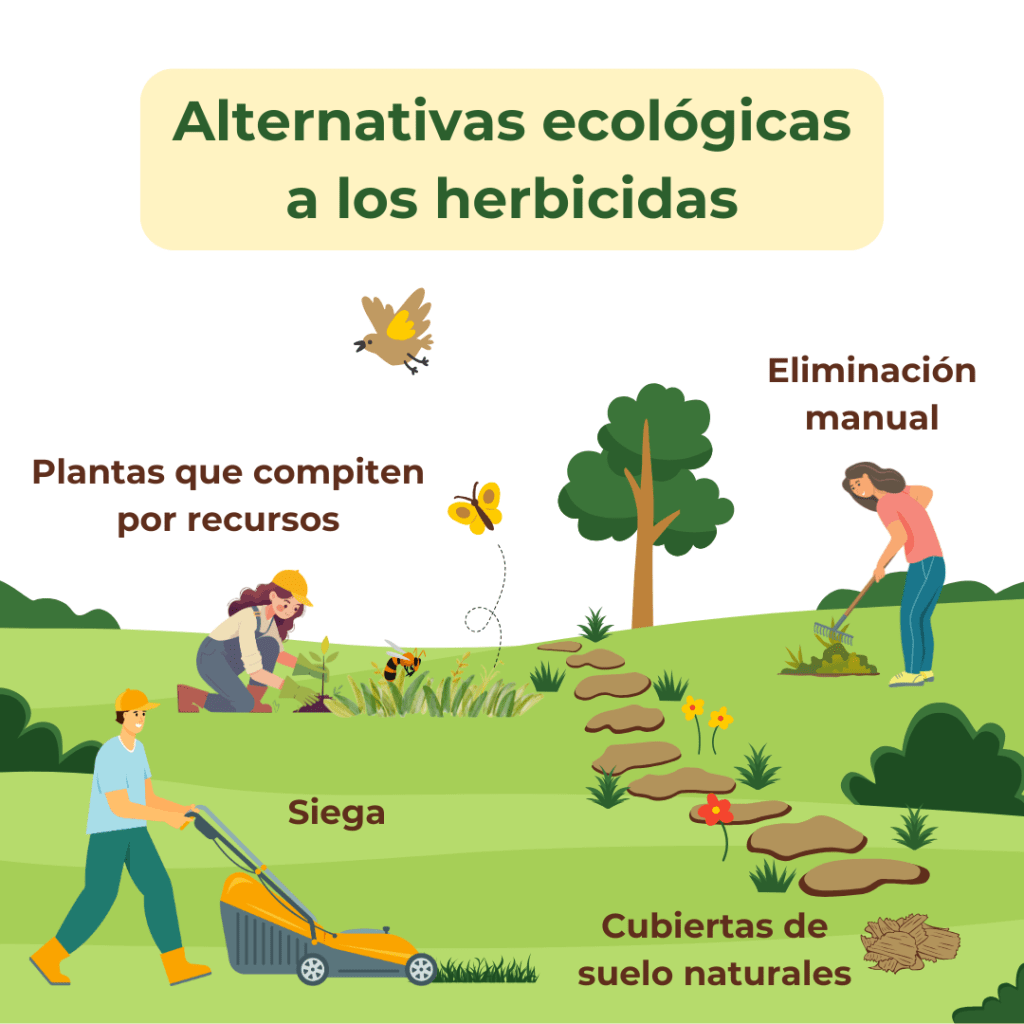
If you want to avoid products with potential risks to health and wildlife, here are some of them alternatives to control "spontaneous weeds". of your garden.
1. Planting of competing species
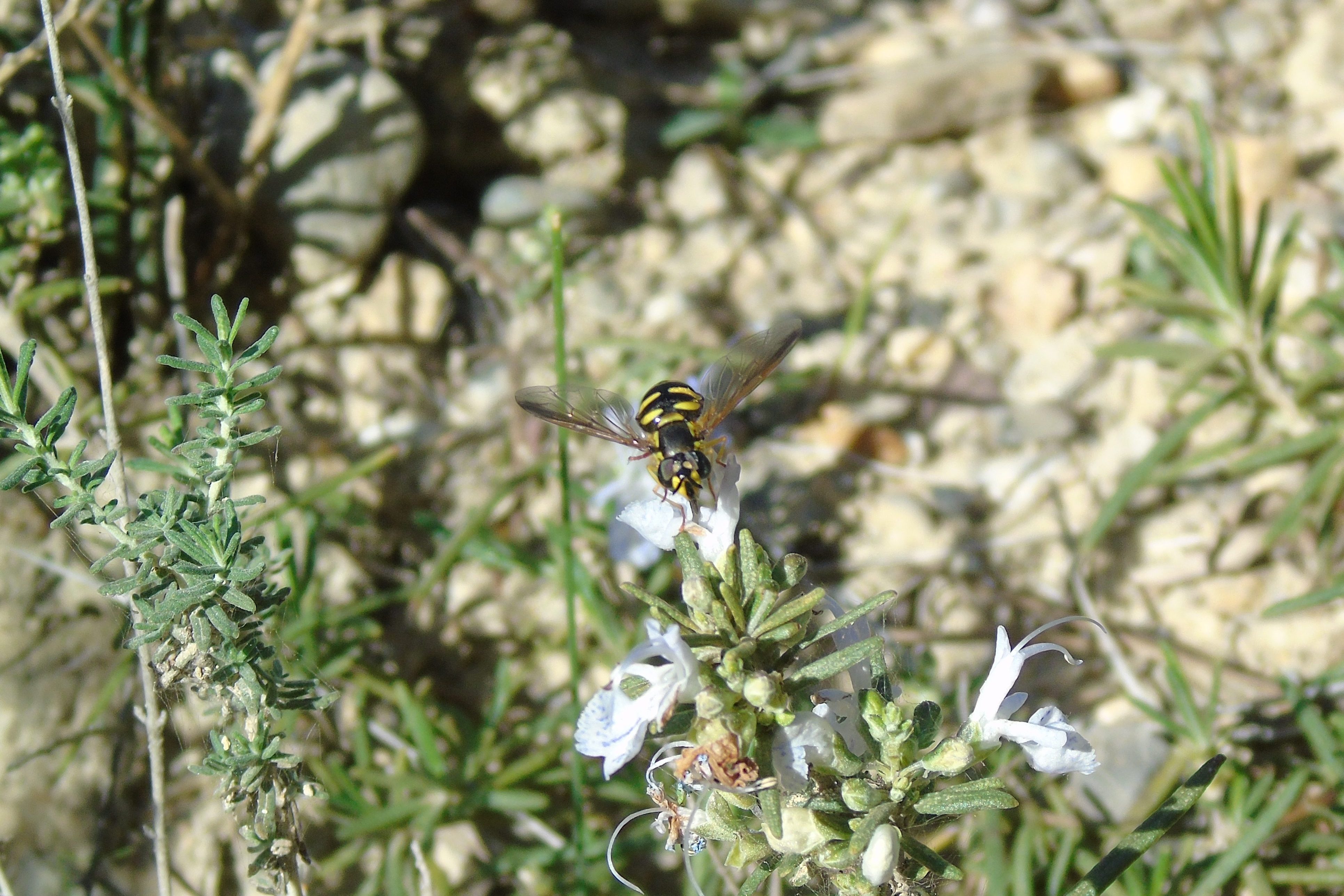
Choose local perennial species that have traditionally been considered "weeds" and may compete for space and nutrients with unwanted weeds. These plants, in addition to being better adapted to the conditions in the garden, require low maintenance and provide food for pollinators. Some recommended options are rosemary (Rosmarinus officinalis), lavender (Lavandula stoechas) or grey santolina (Santolina chamaecyparissus).
2. Mechanical removal
There are very effective hand tools for extracting herbs at the root, such as weeding knives to extract weeds growing in cracks between the pavement, forks for very deep rooted plants of perennial grasses, or pedal-operated weed extractors.
3. Natural mulches
Add a cover of some natural material to blocking light and preventing the growth of vegetation unwanted. This method also helps retain moisture on the ground and protects against erosion. You can add a layer of wood shavings (10-20 cm), or, in the case of very resistant weeds, mulches of biodegradable materials. To prevent weeds from growing around plants or trees, you can also use cut-out coconut mats.
4. Mowing
This method may require more effort, as the hardier plants need more time to grow. frequent mowing for several years to be completely eliminated. It is recommended to perform it every 1-2 weeks during spring and summer. In comparison, the cost of brushcutters is generally higher than that of mechanically or thermally controlled tools.
5. Thermal control
The flameless grass burners are effective in destroying the aerial part This can lead to the death of the plant after several days or with sufficient repetitions of the treatment. However, due to the dry and hot climate in many areas of the Iberian Peninsula, its use should be carried out with extreme caution to avoid any risk of fire.
Remember that you also have the easiest and cheapest option of do nothing. Reduced weeding and weed cutting has been associated not only with an increase in plant diversity, but also with an increase in plant diversity. greater insect diversity. So you have the perfect excuse to "neglect" your garden a little.
References
Alternatives to Herbicides. A Guide for the Amenity Sector. Pesticide Action Network UK. January 2021.
Fogliatto, S., Ferrero, A., et al. (2020). Current and future scenarios of glyphosate use in Europe: Are there alternatives? Advances in agronomy, 163, 219-278.
Report on glyphosate July 2023. Spanish Ministry for Ecological Transition and the Demographic Challenge.
Lerman, S. B., Larson, K. L., et al. (2023). Humanity for habitat: Residential yards as an opportunity for biodiversity conservation. BioScience, 73(9), 671-689.
Madani, N. A., & Carpenter, D. O. (2022). Effects of glyphosate and glyphosate-based herbicides like Roundup™ on the mammalian nervous system: A review. Environmental Research, 214, 113933.
Non-chemical weed control. The Royal Horticultural Society. https://www.rhs.org.uk/prevention-protection/weeds-non-chemical-control.
Peillex, C., & Pelletier, M. (2020). The impact and toxicity of glyphosate and glyphosate-based herbicides on health and immunity. Journal of immunotoxicology, 17(1), 163-174.

 English
  Spanish