

In addition to their value as living beings, insects bring a wide range of benefits to people.
Insects have a intrinsic value as part of biodiversity and it is estimated that they began to inhabit the Earth over 400 million years. In addition, insects provide many services to humans, as explained below.
Economic value of insects

- The 35 % of cultivated food production comes from crops pollinated by animals. Furthermore, although animal pollination is not necessary for the yield of some crops, it is necessary for the production of seeds.
- Bees produce honey, royal jelly, propolis, venom, wax, and collect pollen. All these products are used for nutrition or therapeutics.In addition, beeswax is also used to make products such as candles or wood varnishes.
- Other examples of insect products include Shellac,used in varnishes and medicines, carmine,used as a dye and colouring agent, cantharidin for the treatment of warts, or the silk.
Ecological value of insects

- It is estimated that around 87'5 % of flowering plants are pollinated by animals. Also, the diversity of pollinators with different foraging distances and different flower-visiting habits can increase the pollination rate and overcome pollen shortages that may occur in certain plant species.
- Insects are also the food of other animals such as birds, fish, amphibians, lizards, spiders and other insects.
- Insects, such as ants and dung beetles, are involved in seed dispersal and bury them, protecting them from animals that might eat them.
- The maintenance of soil quality depends heavily on insects. Ants, termites, and dung beetles build nests, tunnel and burrow in the soil, aerating it, facilitating water infiltration and mixing organic matter into the surface soil layers. In addition, these same insect groups along with flies, degrade organic matter from plants and animals. They recycle carbon and minerals back into the soil, where they form humus that can be reused by plants.
- Insects, such as butterflies and bees, are used as environmental indicators as they are sensitive to heavy metal contamination.
Cultural value of insects
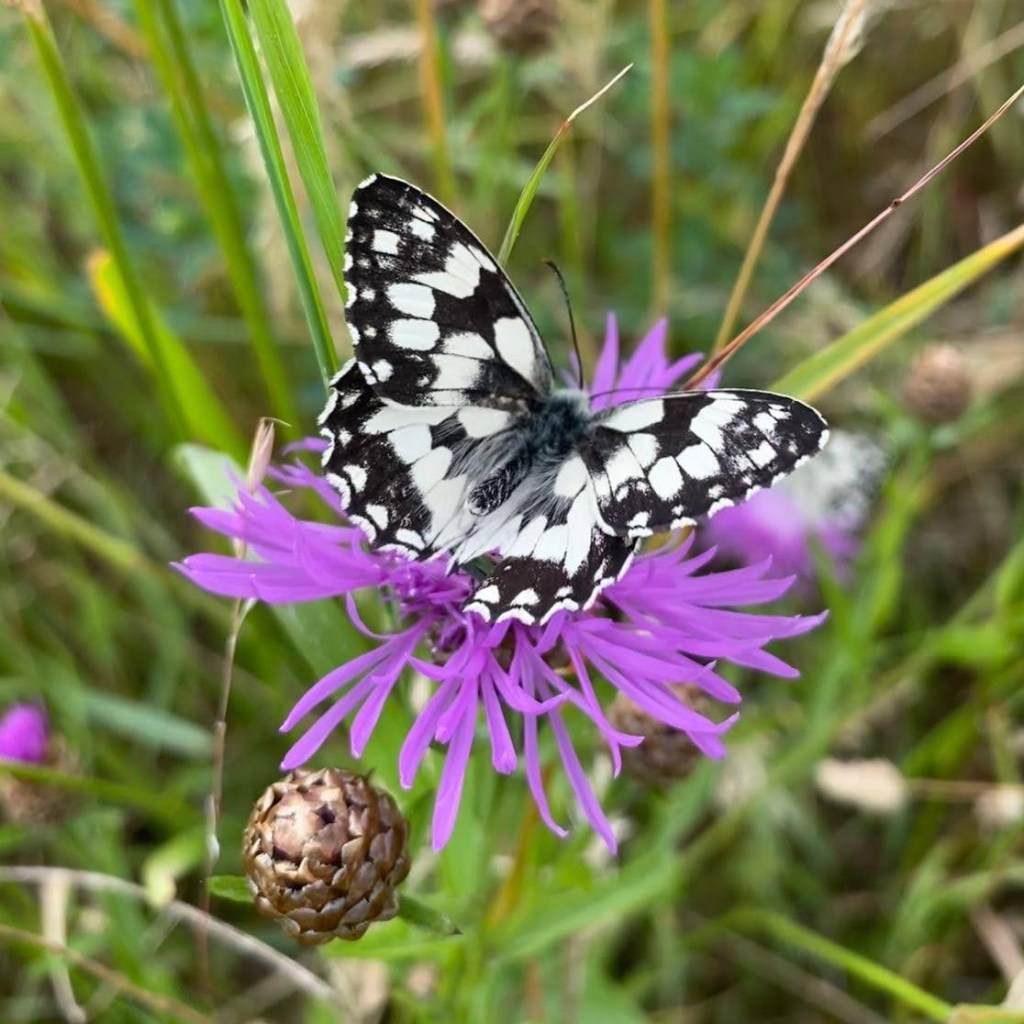
- Insects have been and continue to be a source of inspiration in poems, music, painting, sculpture and design. In addition, because of their beauty, butterfly and beetle designs have been widely used in jewellery, art and decoration.
- They have been part of various cultural aspects of human beings. Butterflies and bees have been found in cave art and pre-Columbian pottery; beetles symbolised eternal life in Egyptian culture or cicadas are a symbol of reincarnation in Asian countries.
- They have been traditionally consumed in countries in Central and Southern Africa, Latin America, Asia and Australia.

 English
  Spanish