

Peat bogs are wetlands characterised by the surface accumulation of peat: organic matter, mainly vegetable, partially decomposed under waterlogged conditions and low oxygen. Peat accumulates in layers of just 0.5-1 mm per year, forming a reservoir of carbon stored for thousands of years.
Peatlands occupy approximately 3 % of the land surface and, although they occur in a variety of locations, most are found in the northern hemisphere, in temperate, boreal and subarctic climatic zones. Currently, 10 % of the world's peatlands are being drained or exploited. In many European countries, more than 50 % of peatland has been lost by their transformation for agricultural use, forestry or peat extraction. These threats are compounded by climate change, as these habitats are highly vulnerable to climatic fluctuations and alterations in their catchment areas.
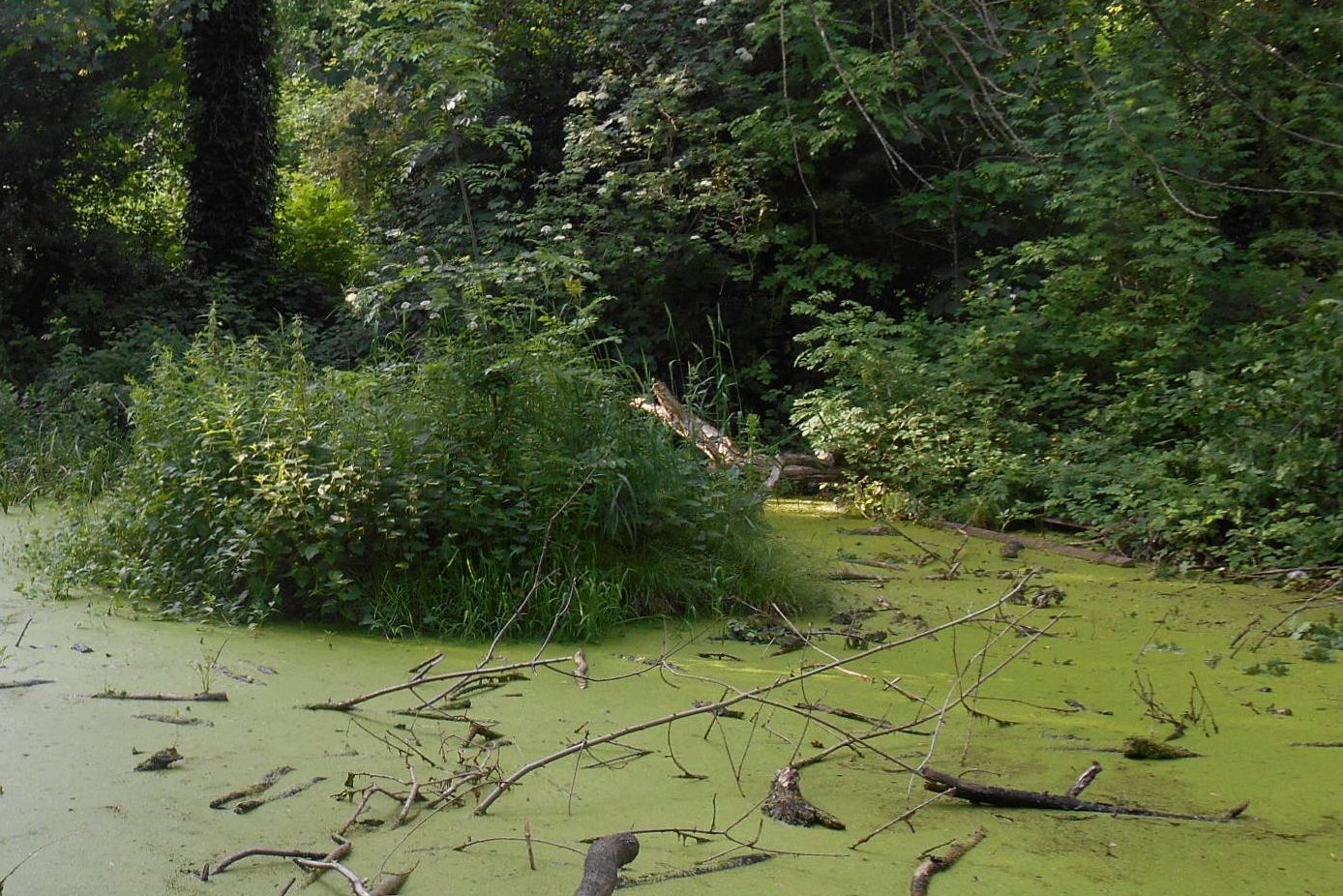
The European Union included peatland restoration in the Nature Restoration Regulation adopted last year. In spite of this, peat is still being extracted for the energy production, compost and growth stimulants used in gardening and horticulture. If you have purchased compost without checking its composition, it is likely to contain peat, labelled as "peat" in English.
Intensive use of peat not only reduces the capacity of peatlands to store carbon, but also releases greenhouse gasesemissions, aggravating climate change. In addition, the community of living beings that inhabit these ecosystems, is highly specialised in them and is highly sensitive to environmental disturbances. Several studies have shown the decline of invertebrates in degraded peatlands and their recovery in peatlands undergoing restoration.
For insects, peatlands offer a wide variety of habitats. It is estimated that a single peat bog can support dozens of insects, which depend on a variety of habitats. strictly of these environments, along with hundreds of species associated with, but not restricted to, these ecosystems. The detection of these insects is allowing monitoring the state of conservation of peatlands.

For example, the youth of dragonflies and damselfliesas Leucorrhinia dubia and Leucorrhinia rubicundaThey thrive in the acidic waters of peat bogs, where the pH limits the presence of predatory fish. The abundance of plant material in the water also provides them with a refuge from predation.
Many herbivorous insects have adapted to plants that thrive in the wet, acidic soils of peat bogs. Vaccinium uliginosuma typical plant of these ecosystems, is the only source of food for the butterflies Colias palaeno and Vaccinia optilete. Similarly, the aphid Symydobius nanae feeds exclusively on the bush Betula nanacharacteristic of peatlands and tundra.
Among the beetles and the antsthere are also species adapted to the environment of humidity, acidity and vegetation cover provided by the carpets of mosses of the genus Sphagnum. Examples include the carabid Agonum ericeti or the ant Myrmica lobifronswhich builds its nests in this type of moss.
As you can see, by choosing peat-free compost, you are helping to preserve peatlands and protect a unique community of species. And if you want to make your gardening even more nature-friendly, you can do so, here here is a guide from the Ministry and Friends of the Earth to learn how to produce your own compost.
References
Batzer, D., Wu, H., et al. (2016). Peatland invertebrates. Invertebrates in freshwater wetlands: an international perspective on their ecology, 219-250.
Buczyńska, E., & Buczyński, P. (2019). Aquatic insects of man-made habitats: Environmental factors determining the distribution of Caddisflies (Trichoptera), Dragonflies (Odonata), and Beetles (Coleoptera) in Acidic Peat Pools. Journal of Insect Science, 19(1), 17.
European Commission (2024, 17 June). Nature Restoration Regulation: Council gives final green light.
Ellison, A. M., Farnsworth, E. J., et al. (2002). Ant diversity in pitcher-plant bogs of Massachusetts. Northeastern Naturalist, 9(3), 267-284.
Grzybowski, M., & Glińska-Lewczuk, K. (2020). The principal threats to the peatlands habitats, in the continental bioregion of Central Europe-A case study of peatland conservation in Poland. Journal for Nature Conservation, 53, 125778.
Page, S. E., & Baird, A. J. (2016). Peatlands and global change: response and resilience. Annual review of environment and resources, 41(1), 35-57.
Spitzer, K., & Danks, H. V. (2006). Insect biodiversity of boreal peat bogs. Annual review of entomology, 51(1), 137-161.
Sushko, G. G. (2019). Reconstruction of the genesis of faunal assemblages of insects (Insecta, Ectognatha) of the raised bogs of the Belarusian Lakeland. Paleontological Journal, 53, 389-397.
Sushko, G., & Novikova, Y. (2024). Moderate degradation of peat bogs causes biodiversity loss in carabid beetle and butterfly assemblages. Journal of Insect Conservation, 1-13.
Tanneberger, F., Appulo, L., et al. (2021). The power of nature-based solutions: how peatlands can help us to achieve key EU sustainability objectives. Advanced Sustainable Systems, 5(1), 2000146.
Vítovcová, K., Lipárová, J., et al. (2022). Biodiversity restoration of formerly extracted raised bogs: vegetation succession and recovery of other trophic groups. Wetlands Ecology and Management, 30(2), 207-237.
Welpelo, C., Dubbert, M., et al. (2024). Effects of birch encroachment, water table and vegetation on methane emissions from peatland microforms in a rewetted bog. Scientific Reports, 14(1), 2533.

 English
  Spanish