

If you love the butterflies and you want to learn how to identify them, you're in luck! Thanks to their popularity with the public and the relative ease of recognising species, butterflies are one of the most popular groups of best-studied invertebrates in Europe.
In the Iberian Peninsula, the distribution of the species is well documented, especially in comparison with other insect groups. In addition, there are numerous free resources you can use to identify the species you encounter during your walks.
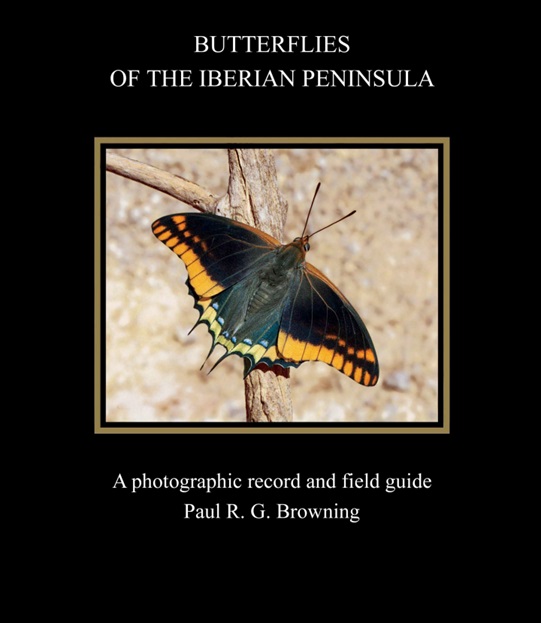
On the website of the European Butterfly Group we can download the field guide free of charge Butterflies of the Iberian Peninsula, by Paul R. G. Browning. This guide, published in 2019, briefly introduces the life cycle of butterflies and provides a detailed fact sheet for each species. It includes information on their distributionthe period in which it flies most and least frequently, the type of habitat and the nutritious plantswhere this information is available. Although it is written in English, the large amount of photographs accompanying each species facilitates the identification of many of them. However, in the case of very similar species, it will be necessary to consult the text, which provides details on how to tell them apart.
In addition to this guide, there are multiple free resources specifically designed to assist in the butterfly identification in different regions and natural areas of Spain. Many of them have been developed as part of the European Butterfly Monitoring Schemean extensive project of citizen science which monitors butterfly populations in Europe thanks to the collaboration of volunteers.
In this table you will find links to downloadable guides covering various geographical areas of Spain.
Free guides to identify butterflies on the Iberian Peninsula and Balearic Islands
With the resources available, you are now ready to start identifying the butterflies you find. And if you're hooked on this hobby, remember that you can join as a volunteer with the butterfly monitoring programme in Spainand thus contribute to their conservation!

 English
 Spanish